1 University Place
Facade Restoration & FISP Compliance
Project Details
Location
1 University Place, Manhattan, NY
Project Type
Facade Restoration (FISP Cycle 9)
Services
Timeline
8 months
Status
Completed
The Challenge
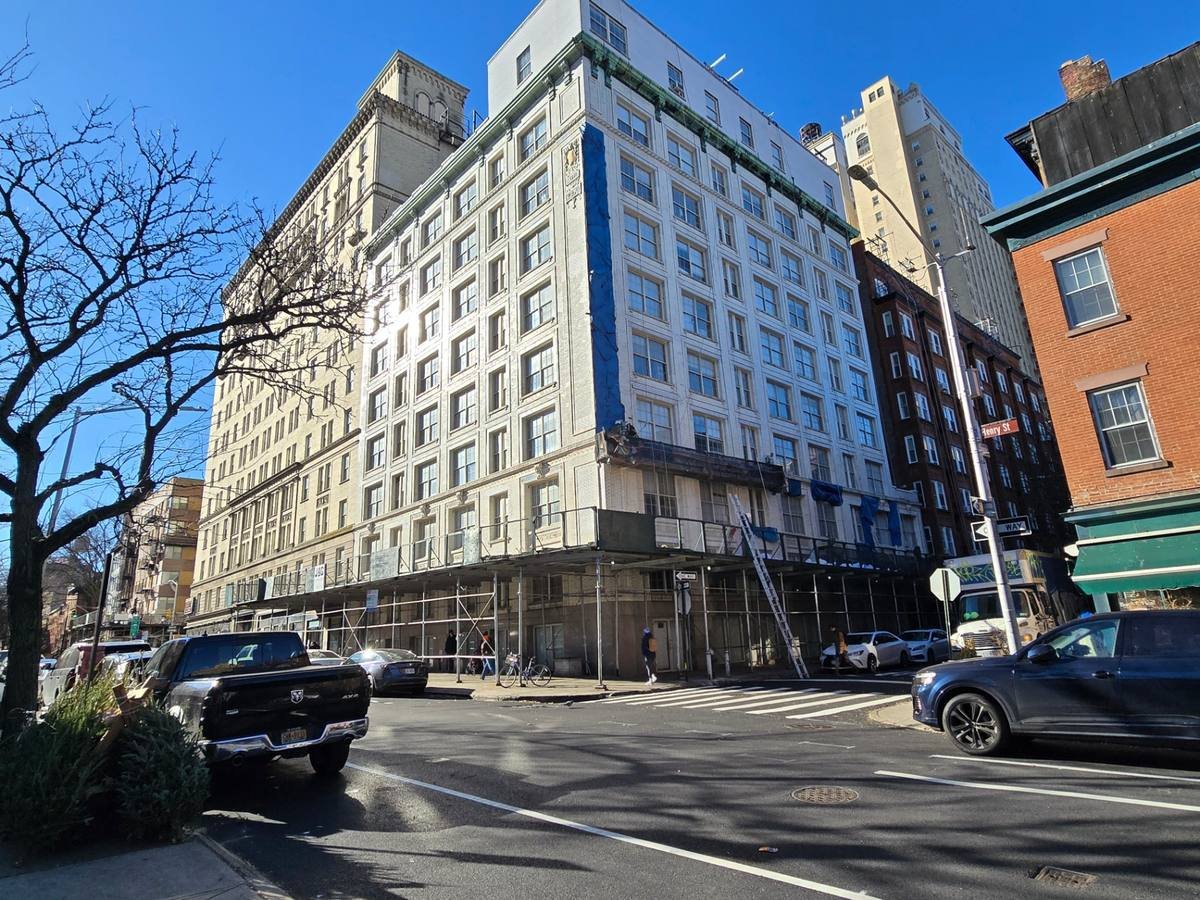
1 University Place is a 12-story mixed-use building located at the intersection of University Place and East 8th Street in Manhattan. The building's terra cotta and masonry facade had been classified as SWARMP (Safe With a Repair and Maintenance Program) during the previous FISP cycle, meaning multiple conditions required attention before the next filing deadline.
The property management team faced several compounding issues. Years of deferred maintenance had allowed minor spalling and cracking in the terra cotta ornamental elements to worsen. Water infiltration through deteriorated mortar joints was accelerating damage to the underlying masonry structure. Multiple areas showed signs of displacement that, if left unaddressed, could escalate to an Unsafe classification and trigger immediate DOB enforcement action.
With the FISP Cycle 9 filing deadline approaching, the building needed a comprehensive inspection, a detailed engineering assessment of all facade conditions, and a realistic repair plan that could be executed within budget and without disrupting the commercial tenants on the lower floors.
Our Solution
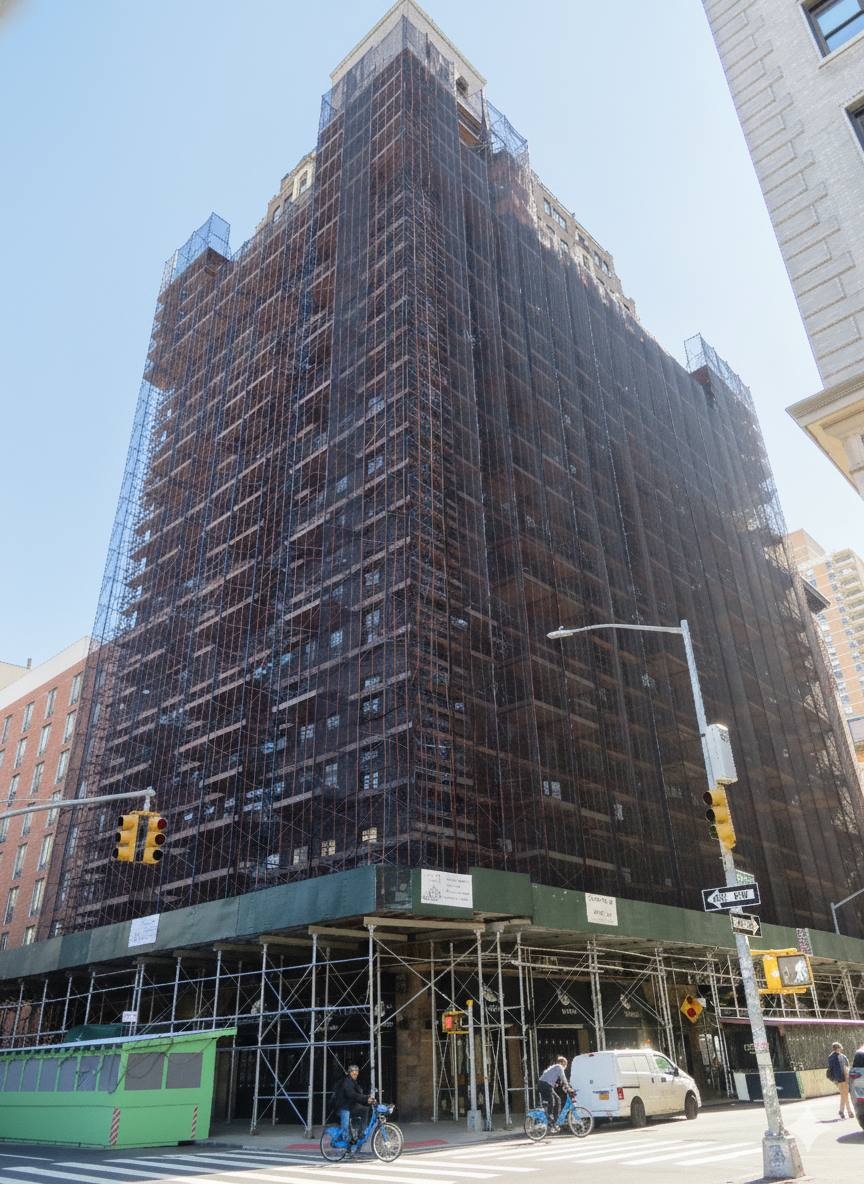
Our QEWI-certified inspectors conducted a complete hands-on facade inspection using a combination of scaffold drops and swing stage access. Every elevation was documented with detailed photographic records, and our licensed engineers performed probe testing on the terra cotta elements to assess their structural integrity behind the visible surface.
Based on the field findings, our engineering team produced a comprehensive FISP technical report that categorized every condition by severity and location. The report included PE-stamped engineering drawings showing repair specifications for each area, along with material recommendations for historically appropriate terra cotta patching compounds and compatible pointing mortars.
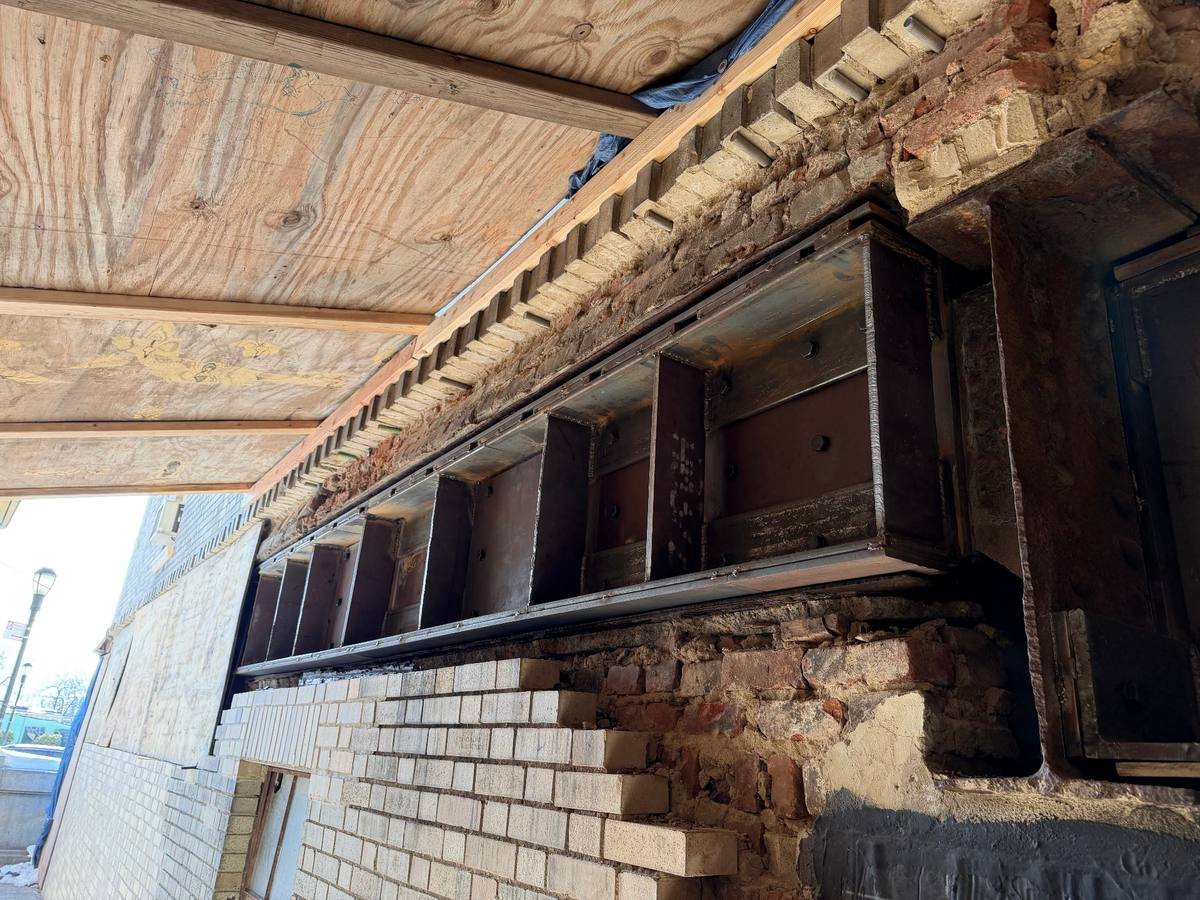
We developed a phased repair plan that prioritized the most critical conditions first while allowing the building to maintain normal operations. Phase 1 addressed all loose and displaced elements that posed safety risks. Phase 2 focused on waterproofing and repointing to stop active water infiltration. Phase 3 covered cosmetic restoration of the ornamental terra cotta to return the facade to its original appearance. Our team coordinated with specialty contractors throughout the entire repair process.
The Result
All repair work was completed within the 8-month timeline and within the approved budget. The building's facade was reclassified from SWARMP to Safe at the subsequent FISP cycle filing, eliminating the ongoing repair obligation and reducing the property's DOB compliance risk.
The sidewalk shed that had been installed as a protective measure during the SWARMP period was removed after the Safe classification was achieved, restoring the building's street presence and eliminating the ongoing shed rental costs that had been a significant expense for the property.
The comprehensive engineering report and documentation we provided gave the property management team a clear baseline for future maintenance planning, helping them avoid the cycle of deferred maintenance that had led to the original SWARMP classification.
Key Takeaways
Early Action Saves Money
Addressing SWARMP conditions before they escalate to Unsafe avoids emergency repair costs, DOB fines, and expensive sidewalk shed installations.
Phased Repairs Minimize Disruption
A well-planned phased approach allows buildings to maintain normal operations while completing facade restoration work on schedule and within budget.
Documentation Prevents Recurrence
Comprehensive engineering reports create a maintenance baseline that helps property managers prevent the deferred maintenance cycle that leads to future SWARMP classifications.
Have a Similar Project?
Schedule a free assessment with our team. We will evaluate your building's facade conditions and provide a clear path to compliance.